
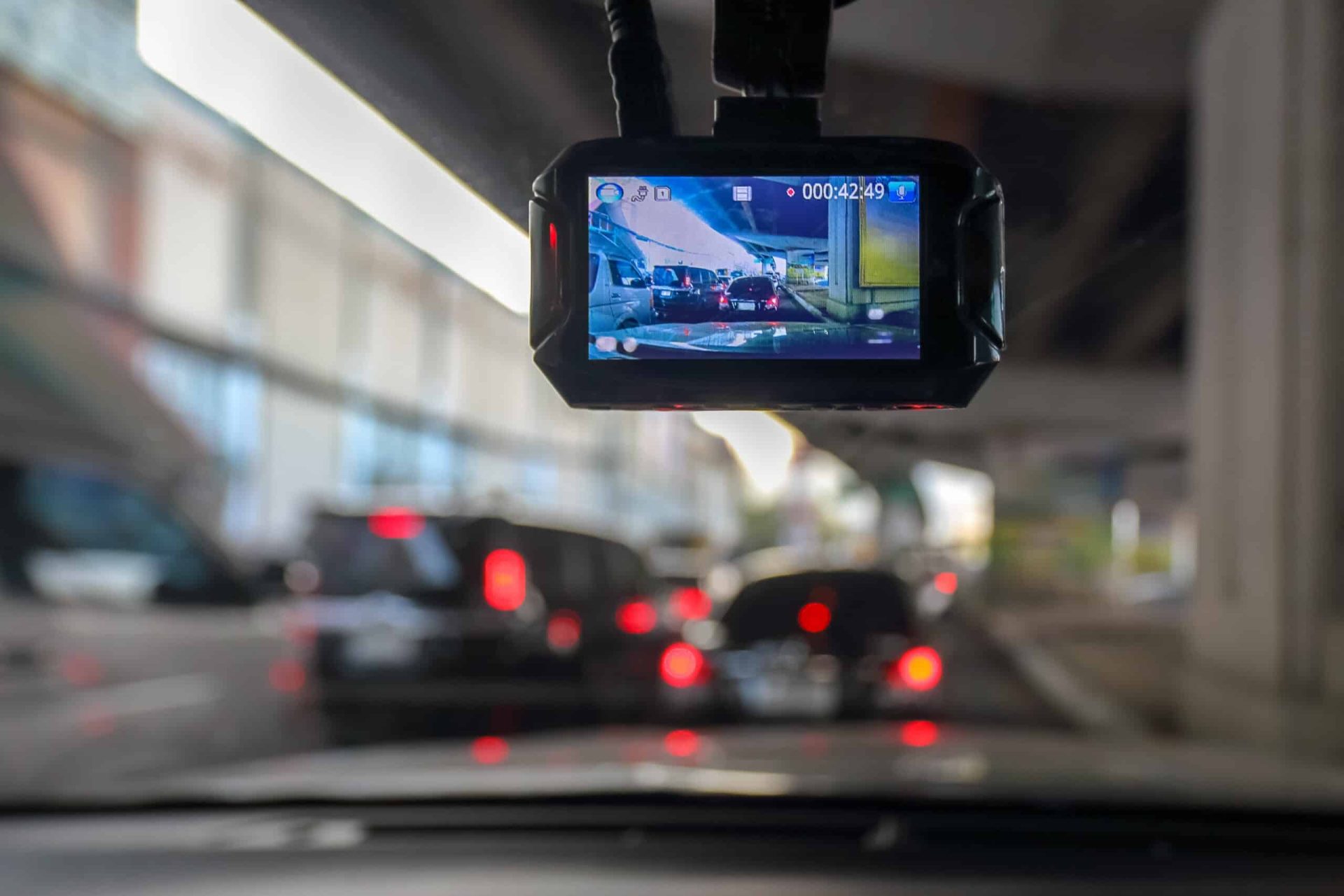
There has been a dramatic change in how transportation companies are managing road safety and driver behaviour since video monitoring systems have been installed in commercial vehicles. As a result of these devices, real-time data is captured regarding road conditions, a driver’s actions, and collision events. The role of fleet cameras improving driver safety extends beyond simple recording to include active intervention during dangerous situations. Artificial intelligence identifies risky behavioural patterns before they escalate into accidents with modern camera systems.
Coaching intervention systems
Video evidence provides concrete examples for driver coaching sessions. Managers can show drivers exact moments when their actions created dangers rather than relying on abstract discussions about safe driving principles. Watching yourself drift into adjacent lanes or follow too closely creates greater behavioural change than verbal warnings alone. Progressive coaching models use tiered responses based on incident frequency and severity:
- First violations trigger automated alerts reminding drivers about specific safety policies
- Repeated issues escalate to supervisor discussions using video evidence
- Persistent problems lead to formal retraining requirements or eventual employment termination
Documented progression protects companies from wrongful termination claims while giving drivers clear opportunities for improvement.
Collision liability protection
Camera footage settles fault disputes that would otherwise require lengthy investigations or litigation. When another motorist claims a commercial driver caused an accident, video evidence either confirms or refutes these allegations immediately. Insurance adjusters reviewing clear footage often settle claims within days rather than months of investigation. False accident claims targeting commercial fleets decrease substantially after camera installation. Opportunistic individuals who stage collisions or exaggerate minor contact realise that video documentation will expose their fraud. Some studies show fraudulent claim attempts dropping by 60% once vehicles display visible camera systems. The cameras serve dual purposes of recording genuine incidents while deterring manufactured ones.
Driver exoneration evidence
Cameras protect innocent drivers from undeserved blame. Evidence is presented by a driver accused of running a red light at an intersection entry. Videos contradict pedestrians’ claims that they darted into traffic unexpectedly. Retaining drivers is easier with these exoneration capabilities. Professional drivers appreciate employers who invest in technology to protect their reputations and licenses. The knowledge that objective evidence will support them during false accusations reduces the stress of operating in challenging urban environments where accidents and allegations occur frequently despite careful driving.
Predictive safety analytics
Advanced camera systems employ artificial intelligence to identify dangerous patterns before collisions occur. The software analyses the following distances, lane position stability, turn signal usage, and speed limit compliance across thousands of driving hours. Algorithms detect subtle risk indicators that human reviewers might miss:
- Drivers positioning vehicles 15% closer to lane edges than fleet averages show elevated collision probability
- Early identification enables proactive coaching, preventing future incidents
- Predictive models improve continuously as systems process more driving data
- Behaviour correlation with actual accident outcomes refines risk assessment accuracy
Fleet-wide analytics reveal systemic issues beyond individual driver problems. If multiple drivers experience frequent hard braking events on specific route segments, infrastructure problems or poor traffic signal timing may be causing the pattern rather than driver error. Companies petition municipalities for signal timing adjustments or road improvements using aggregated camera data as evidence.
